
Select month: September October November December
Private: Timely Tips

Photo by Maureen Amter
General
- Be sure to walk your garden every day to keep an eye out for changes. Have a question about something you see? We’re here to help! Email Margaret Pickoff, Mercer County Horticulturist, at mpickoff@mercercounty.org with your question and a few photos. Our Helpline office at Rutgers Cooperative Extension of Mercer County office is closed until further notice due to COVID-19, but Master Gardeners are standing by to offer assistance.
- Get your soil tested. To learn more about soil testing, visit https://njaes.rutgers.edu/soil-testing-lab/
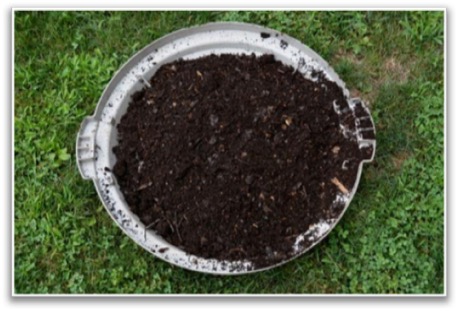
- Compost! Turn your food scraps (no meat or dairy) and yard clippings into compost to enrich your garden soil.
- Apply 2-3 inches of mulch to your garden beds to suppress weeds and maintain moisture. Be sure to keep the mulch away from tree, shrub, and other plant stems, creating a mulch-free “donut” around the stem.
General seasonal
- Mow high (3-3.5 inches) and leave the clippings. Mowing high allows for healthier grass growth, requires less watering, and shades out emerging weeds. Leaving the clippings returns nitrogen to the soil, reducing need for fertilizer.
- Put off pruning of trees or shrubs (except for dead or diseased branches) until late winter for most plants, or after blooms fade for spring blooming plants. Do not fertilize shrubs or trees after July 15th. The extra growth is vulnerable to early frosts.
June-June is busting out all over!
- Your grass is growing…fast. Remember to mow high to ensure healthier grass and shade out unwanted weeds.
- Cut back spring bulb foliage after it yellows and turns brown.
- The best time to prune spring flowering shrubs is right after they bloom.
- And, as the summer heats up, be sure to walk your garden every day to keep an eye out for changes. If you encounter a problem of any kind, please feel free to contact us for help.
Sample quote
The Prunn Link
More Information, see…
Incorporating Native Plants in Your Residential Landscape